Same Dress. Different Day
Are We Really Celebrating the Body?

This week, I hate-scrolled the images from this year’s Met Gala. I have loved fashion and clothes since I was a little girl. As a teenager, I would cruise the local flea markets for vintage prom dresses — which I would pick up for next-to-no-dollars. I never wore them, but I loved having these fantasy objects in 3-D. Would I ever live a life that afforded me opportunities to wear this type of garment? In my Academy Award winner dreams, yes. In reality, not so much. Still, I love pretty dresses and cool clothes. To me they are art.
Watching or scrolling images of any red carpet-esque event sends me back to my little girl ooh ahh fantasy life. Sadly, viewing this year’s Met Gala came with a huge serving of WTF. First, there’s the whole billionaire throwing an obscenely expensive costume party and calling it a fundraiser thing. Have we reached peak Marie Antoinette? I think so.
But as the days have passed, what continues to bug me is the enduring lack of imagination in our culture when it comes to acceptable bodies. Particularly given that the Met Museum exhibit attached to the Gala — from which the dress code was derived — is called Costume Art. It pairs objects from the Costume Institute with art objects from around the museum, and goes out of its way to show a diversity of body types: The Disabled Body, The Corporeal Body, The Aging Body, alongside more classical (Grecian) depictions of women. Encouraging-ish, as far as it goes.
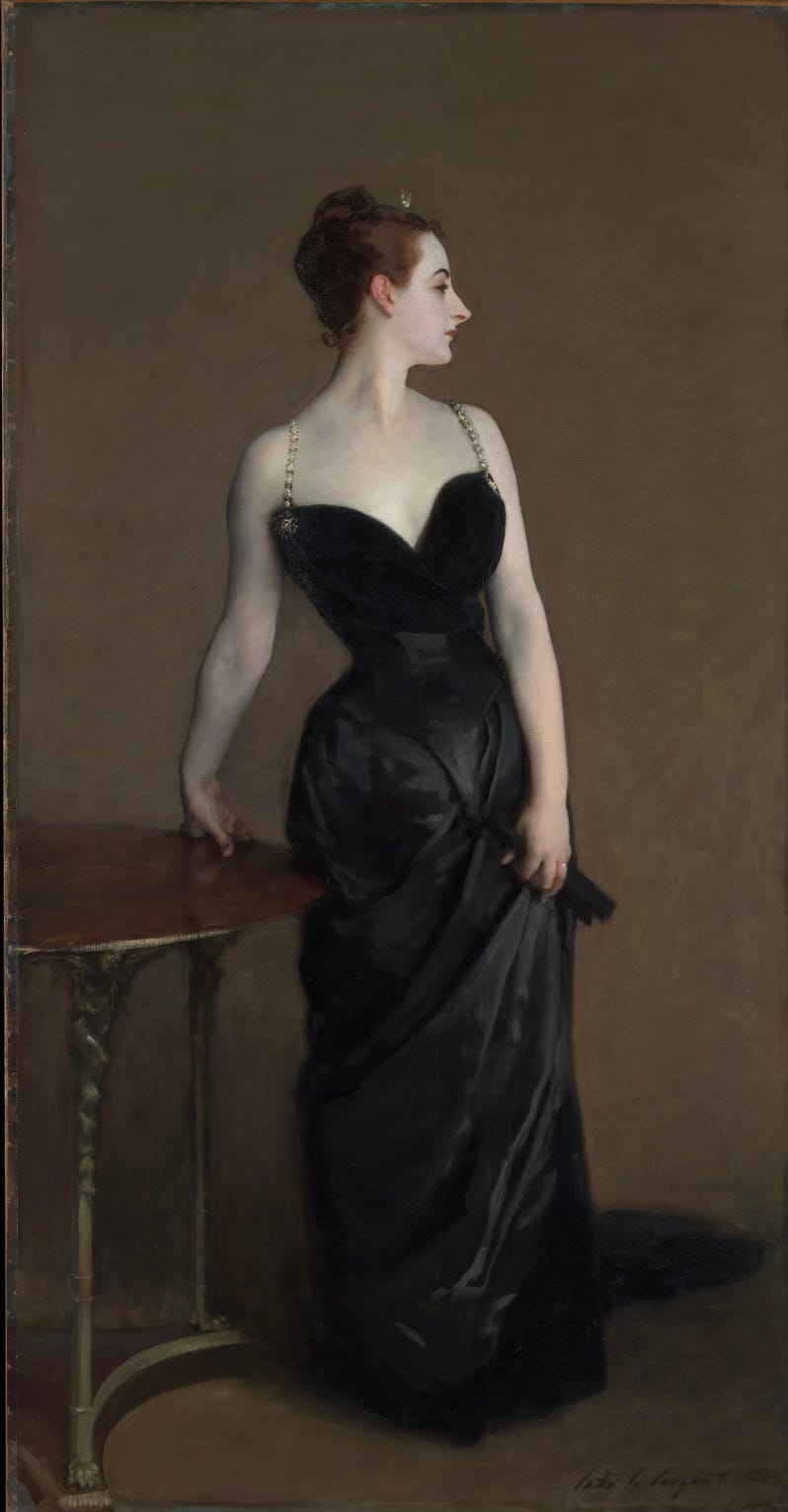
The Gala guests mostly missed the body diversity memo. Yes, there were a few Corporeal and Disabled Bodies on the carpet. And Anna Wintour herself arrived in an Aging Body. But most of the dresses showed the female form one way — big boobs, tiny waists, thin arms, and just the right amount of booty. Even the more avant-garde looks sculpted the wearer into a narrow and specific shape. Different dresses. Same body.
Despite the big artistic proclamation that all bodies are objects of art, our culture insists on squeezing women’s bodies into a narrow range of acceptability. The image in our heads of what our bodies should look like is remarkably stubborn. A respected art institution can mount an exhibit celebrating the full range of human form, throw the most expensive, over-the-top party in fashion, and still show up looking like a beauty ideal that hasn’t meaningfully changed since the 1950s.
To be clear, we should all be able to look the way we want to look, to dress in a way that makes us feel the way we want to feel. I have no problem with slim waists and big butts. Nor do I have a problem with botox and oversized boobs. What I do push back against is the limited range of acceptable beauty standards that most of us don’t have the money or the genetics to ever achieve.
(Of course strength training — real, hard, dedicated strength training — is a powerful way to claim the body you have and love it for what it can do.)
I still love fashion. I always will. But dressing up should be an act of self-expression (and rebellion!) — the art you make with what you actually have. Not the box body they keep trying to fit you into.
In strength, Elizabeth